
How to Build a Community-Led Solar Lantern Program in Papua New Guinea
Written from years of growingup, living, serving, and learning alongside communities across Papua New Guinea’s villages in the highlands regions.
Why I Wrote This
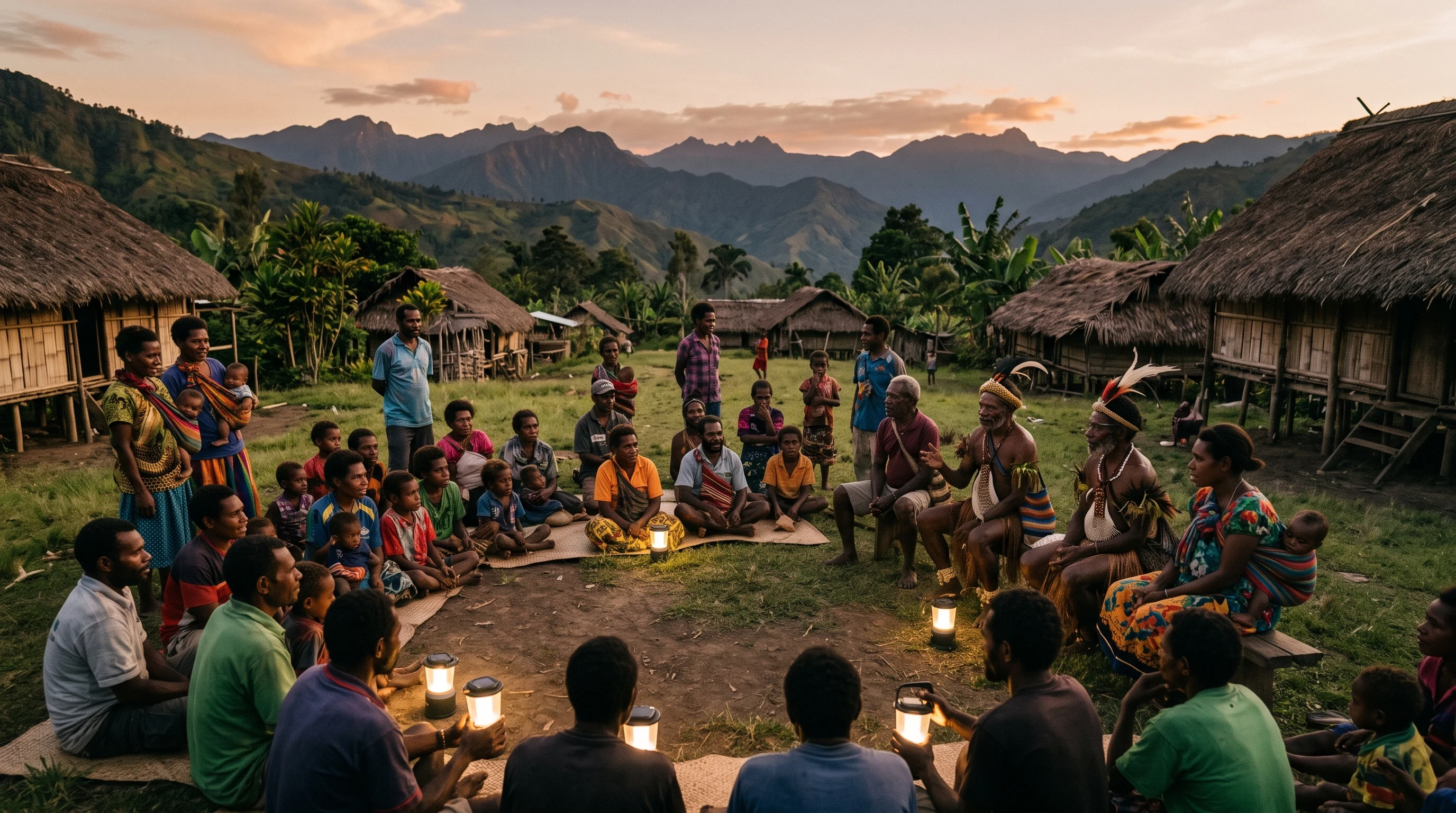
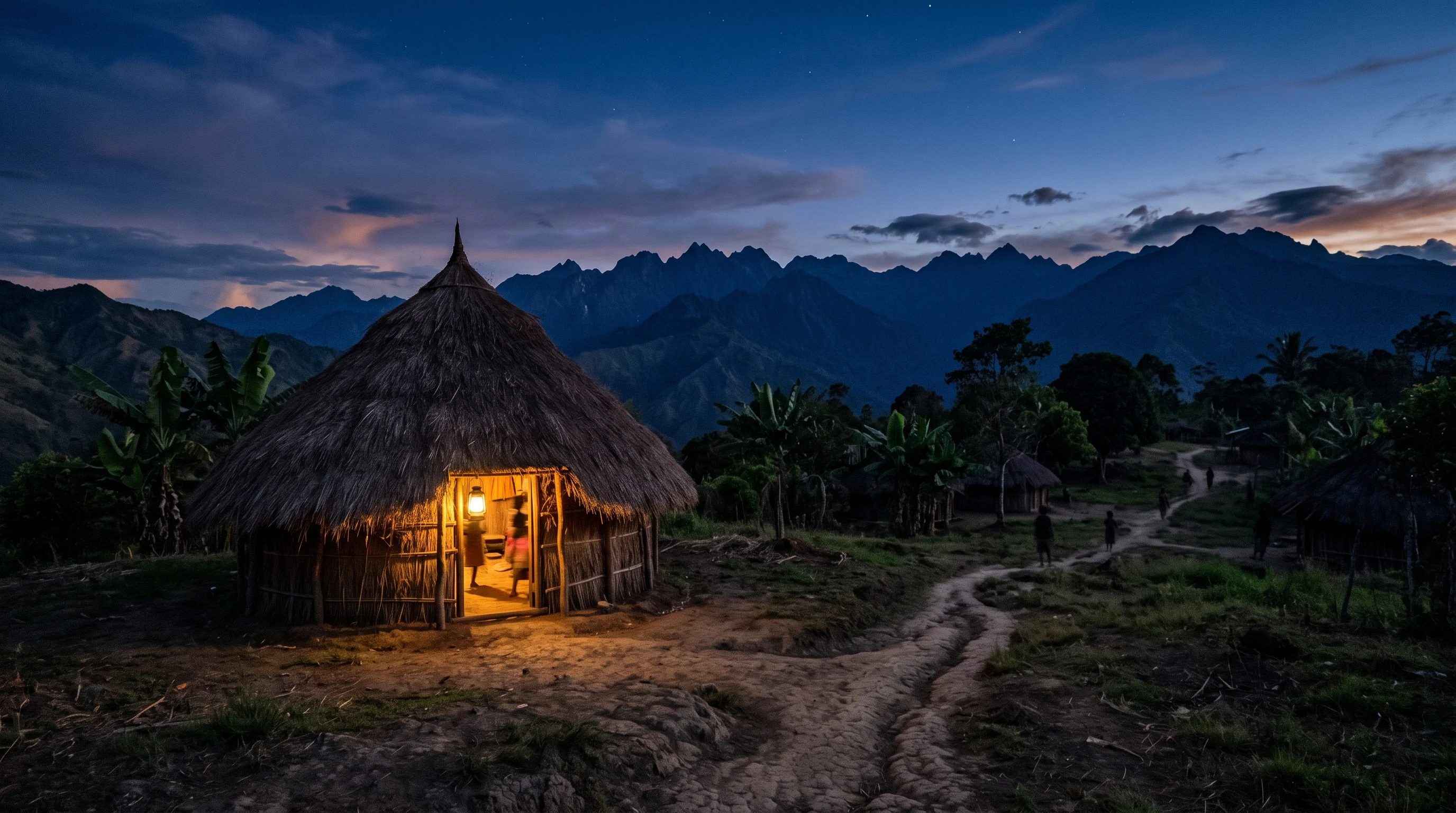
I was born and raised in a rural village in PNG. I have spent many years walking village paths, sitting in ‘haus lain’ with families, and worshiping in small churches lit only by firelight after dark. I have watched pastors read Scripture by kerosene flame, and mothers cook while breathing in smoke that hurts their lungs.
Solar lanterns are a small tool. But in a country with over 800 languages, thousands of scattered villages, and very little electricity outside the towns, a small tool can change daily life more than people expect.
This article is a simple, honest guide for anyone who wants to bring solar lanterns to a PNG community the right way — not by dropping in boxes and leaving, but by building something that lasts, led by the people who will actually use it.
1. Who the Program Should Serve
In PNG, no outsider should decide alone who needs light most. That decision belongs to the community.
Start by talking with the people who already carry responsibility in the area:
- Ward councillors, who represent their communities at the local government level
- Women’s groups, who often know household needs better than anyone else
- Churches, which remain the most trusted gathering place in most PNG villages
- Schools and health facilities, where light after dark has a direct, measurable benefit
- Disability advocates, who can point to households that are easily overlooked
- Remote households, especially those furthest from any road, market, or town
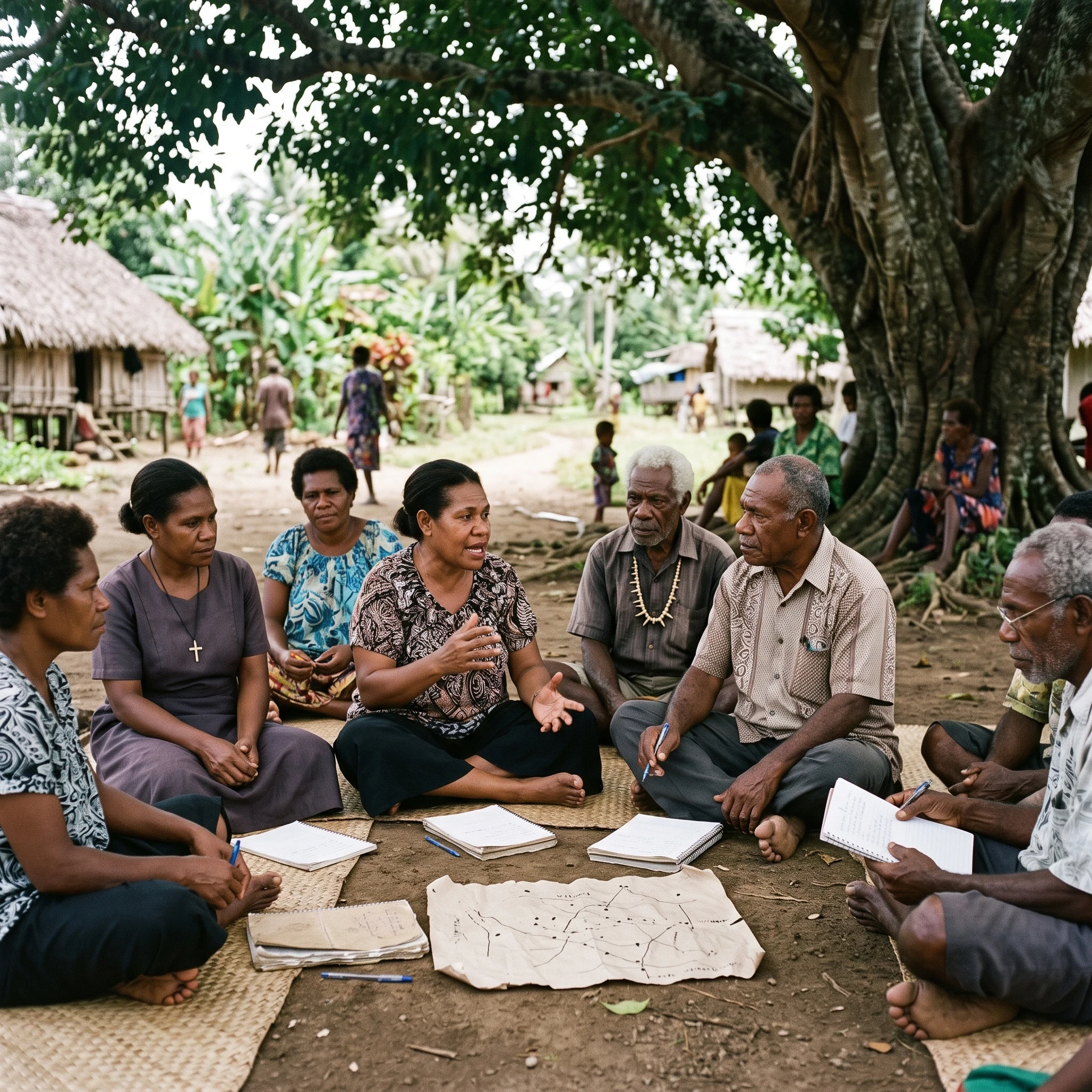
In PNG culture, respect and relationship come first. If you skip this step and simply hand out lanterns, you risk the appearance of favouritism, and you may miss the families who need it most. Sit down. Drink tea. Listen before you plan.
2. Why Solar Lanterns Matter in Papua New Guinea
A solar lantern is never just a light. Here is what it actually changes in daily PNG life:
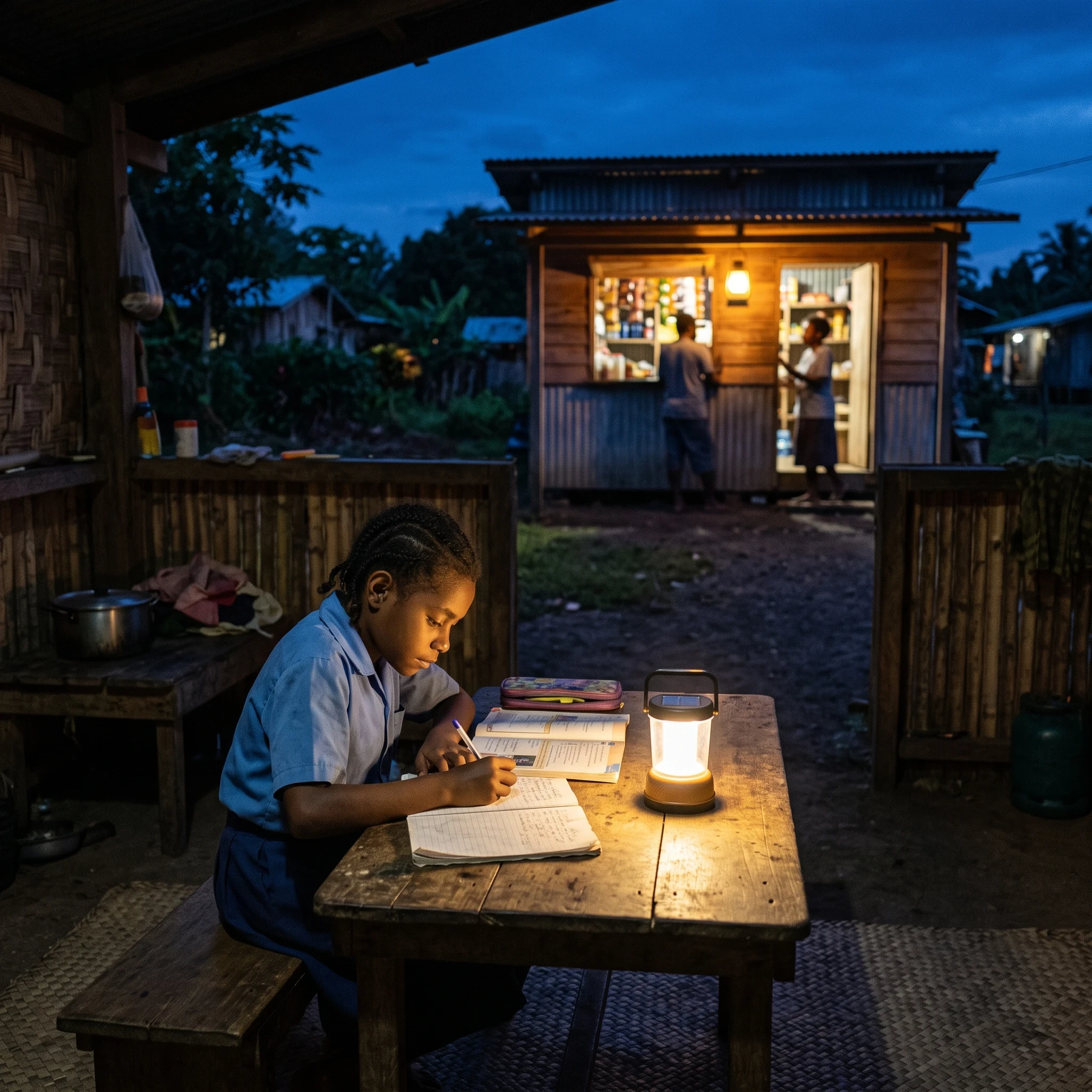
Study. Children can read and do homework after dark instead of losing those hours completely.
Safe movement at night. Walking between houses, to the toilet, or along a village path after dark becomes far safer with a light in hand.
Maternal and community health. A birth attendant or health worker can see clearly during a night delivery. Families can check on a sick child without stumbling in the dark.
Small business. A trade store, a sewing machine, or a small food stall can stay open later, earning more for the family.
Disaster preparedness. During a flood, landslide, or storm, a working solar lantern may be the only light a family has when the power — if there was any — goes out.
Saving money. Kerosene, batteries, and diesel are expensive and have to be bought again and again. A solar lantern is paid for once and then costs nothing to run.
These are not small things. In a village without electricity, they add up to real dignity.
3. Start With Local Listening and Feasibility Work
Before buying a single lantern, go and learn. Ask simple, honest questions:
- How much does each household already spend on kerosene, batteries, or fuel?
- Is there mobile phone coverage nearby, and where do people currently charge their phones?
- What does the weather look like across the year — is there a wet season that limits sunlight or access?
- What are the transport routes in and out, and how do they change with the seasons?
- Are there any safety or security concerns for storing and moving equipment?
- Has anyone already tried a similar energy project here? What worked, and what didn’t?
- What do the people themselves say they need most?
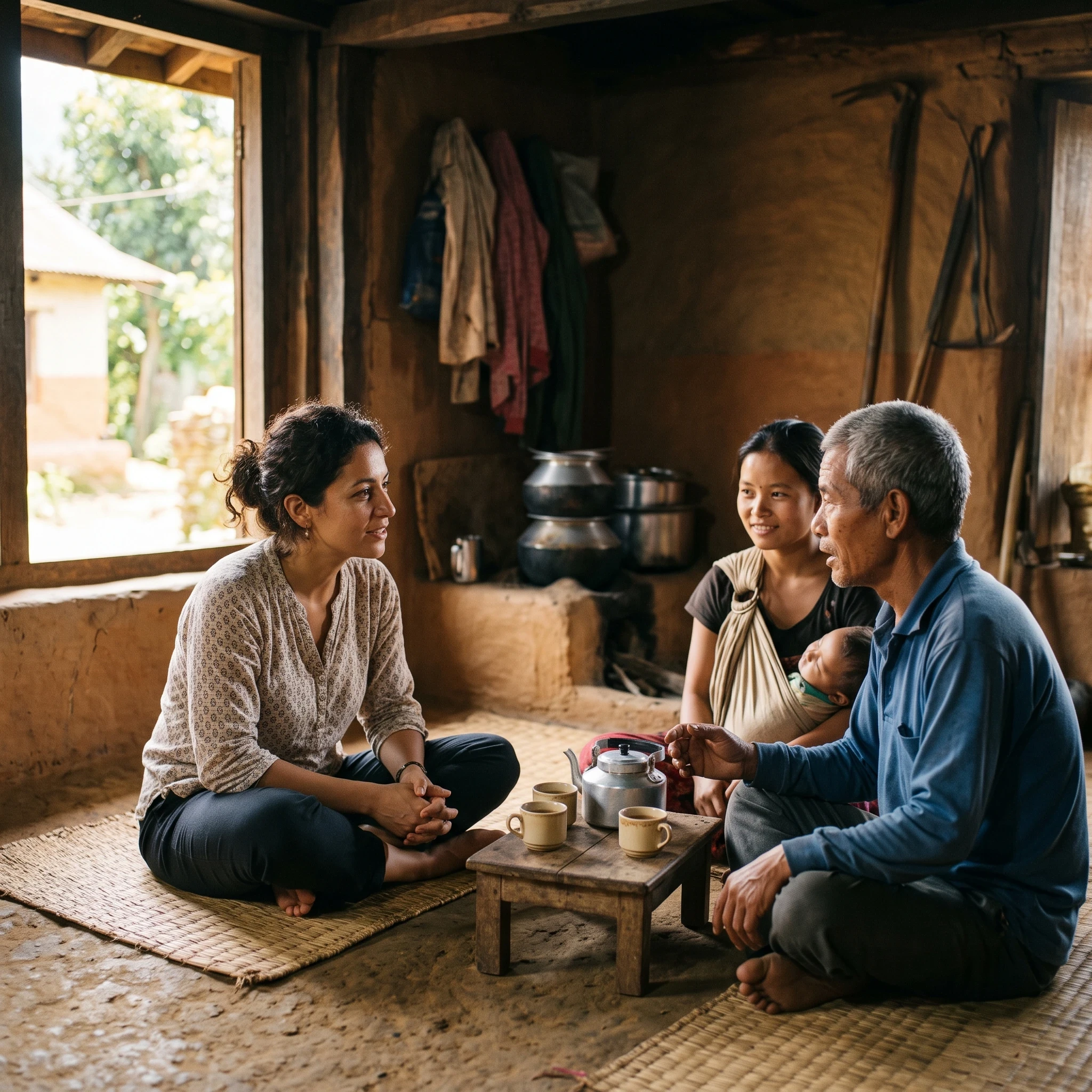
This step takes patience. But in PNG, a program built on real listening earns trust that lasts. A program built on guesswork often fails quietly, and no one tells you why.
4. Create Accountable Local Partnerships
No single group should run this alone. Build a partnership with clear roles:
- Provincial and district authorities, who understand the wider development plans for the area
- Trusted PNG civil-society organisations, who already have relationships and local knowledge
- Community leaders, including ward councillors, church leaders, and respected elders
- Suppliers, who provide the lanterns themselves
- Funders, who provide the money and expect honest reporting
- Trained local technicians, who will keep the program running long after any outside team leaves
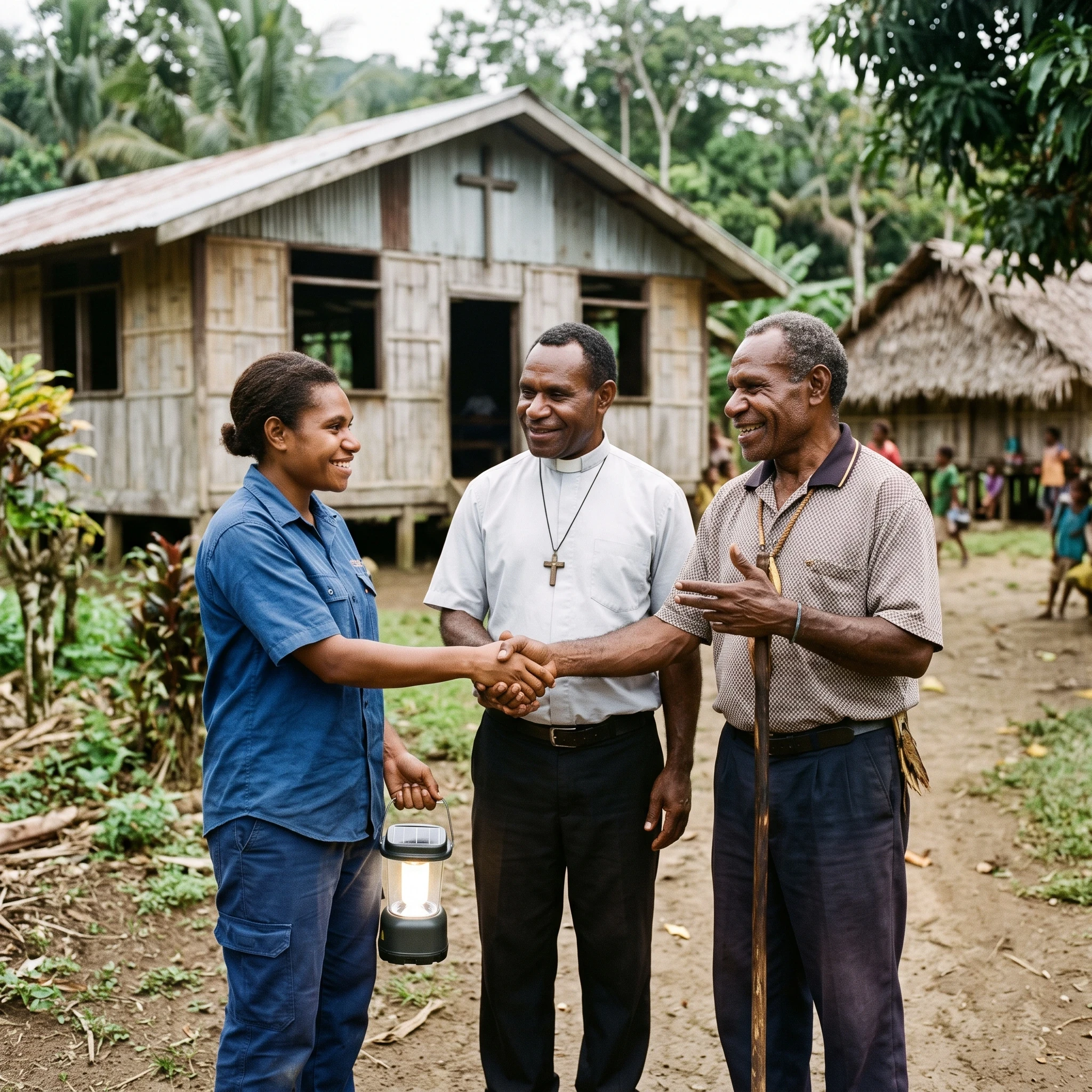
Most importantly, get informed community agreement, not just a quiet nod from one or two leaders. In PNG’s wantok system, one leader’s approval does not always mean the whole community agrees. Take time to explain the plan clearly, in a way everyone understands, and let the community genuinely say yes — or raise concerns — before you move forward.
5. Choose Products Fit for PNG Conditions
Not every solar lantern on the market will survive Papua New Guinea. Look for:
- Durability — able to handle heat, humidity, rain, and rough handling
- Independent quality testing — proof the product actually performs as advertised
- Enough brightness for real household use, not just a dim glow
- Long battery life, especially useful during PNG’s wet season when sunlight is limited
- Replaceable or serviceable parts, where possible, rather than a lantern that must be thrown away when one part fails
- A clear warranty, so faulty units can be replaced fairly
- Safe battery handling, since damaged batteries can be a real fire or health risk
- Features that match actual need — for example, phone-charging capability is highly valued in PNG households
A cheap lantern that breaks in two months costs a family more in the long run than a slightly more expensive one that lasts for years.
6. Plan Fair Distribution and Affordable Ownership
How lanterns are given out matters as much as which lanterns you choose.
- Set clear, transparent eligibility criteria — write them down and share them publicly
- Publish prices or subsidy rules so everyone knows exactly what is expected
- Actively prevent elite capture — the risk that people with existing power or connections receive lanterns meant for the most vulnerable
- Consider pay-as-you-go models, savings groups, or school and clinic bundles as ways to spread cost fairly
- Avoid debt structures that a household cannot realistically repay
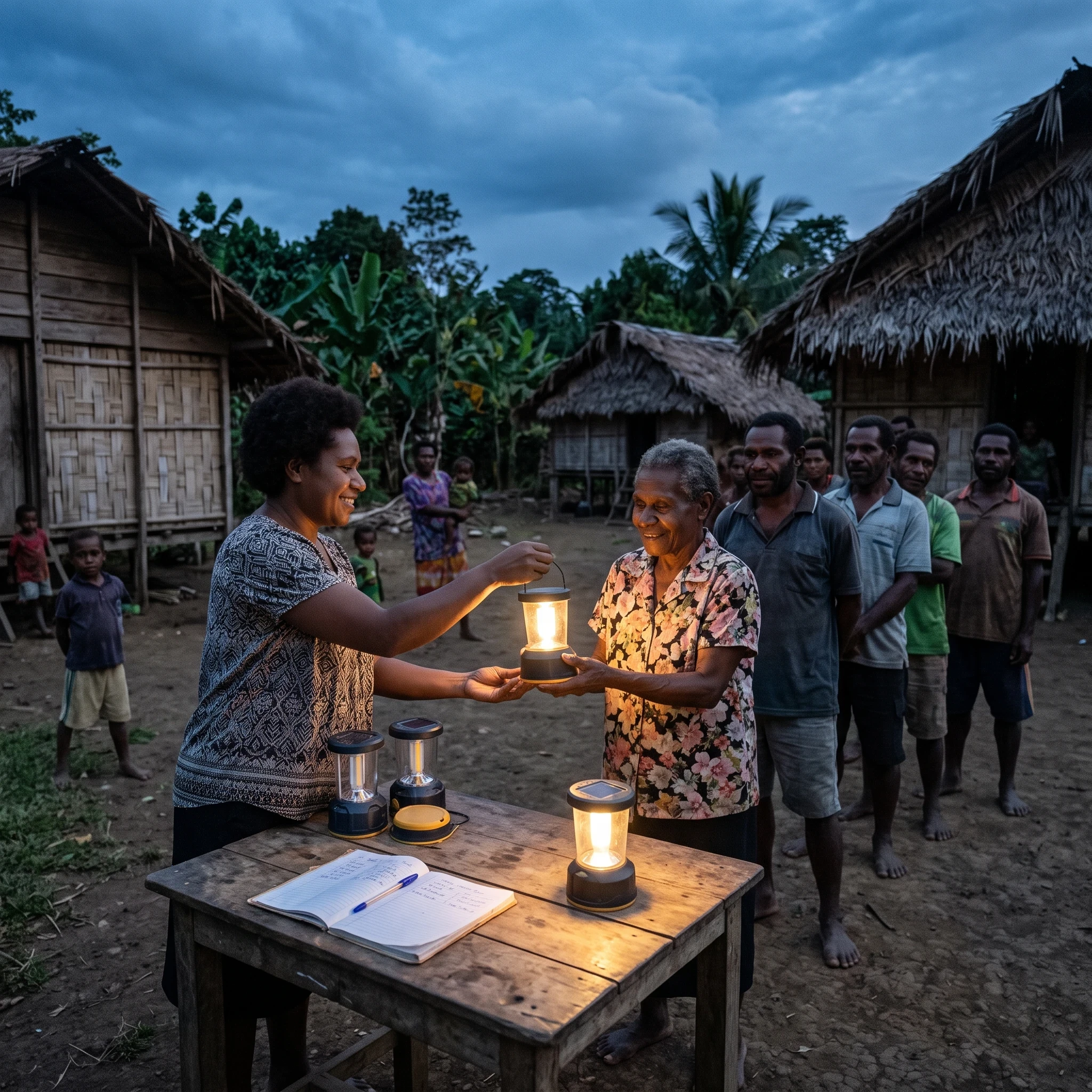
In many PNG communities, financial pressure already runs deep through wantok obligations. A program that pushes families into debt they cannot manage does more harm than good, no matter how good the light itself is.
7. Design Logistics for Last-Mile Delivery
Getting a lantern from a supplier’s warehouse to a remote PNG village is often the hardest part of the whole program. Plan carefully for:
- Coastal shipping, where relevant, and the time it realistically takes
- Air or road access, especially into highland or island communities
- Customs clearance, which can delay a shipment if paperwork isn’t ready in advance
- Secure storage along the way, so equipment isn’t lost, damaged, or stolen
- Local-language instructions, so the lantern makes sense the moment it’s opened
- Inventory controls, so you always know exactly how many lanterns are where
- Contingency plans for landslides, flooding, local conflict, or delayed transport — all realistic possibilities in many parts of PNG
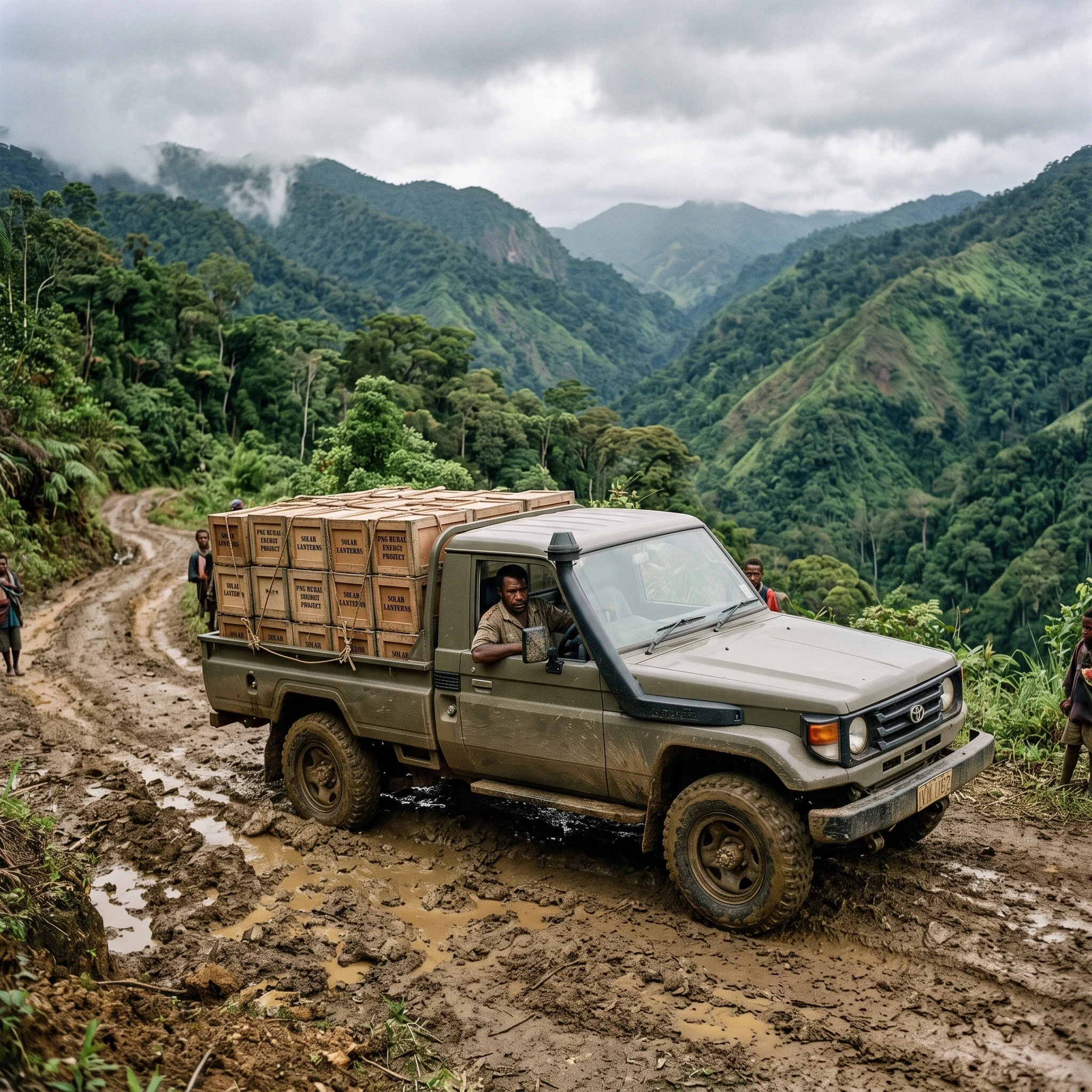
A good plan on paper means little if the lanterns cannot actually reach the village. Build in extra time, and expect the unexpected.
8. Train Users and Local Service Providers
A lantern that no one knows how to use or repair will not last. Take time to teach:
- How to charge the lantern properly
- How to care for it day to day
- How to use it safely
- How to troubleshoot common problems
- How to make a warranty claim if something goes wrong
- How to dispose of a battery safely at the end of its life
- How to keep simple records of who has which lantern
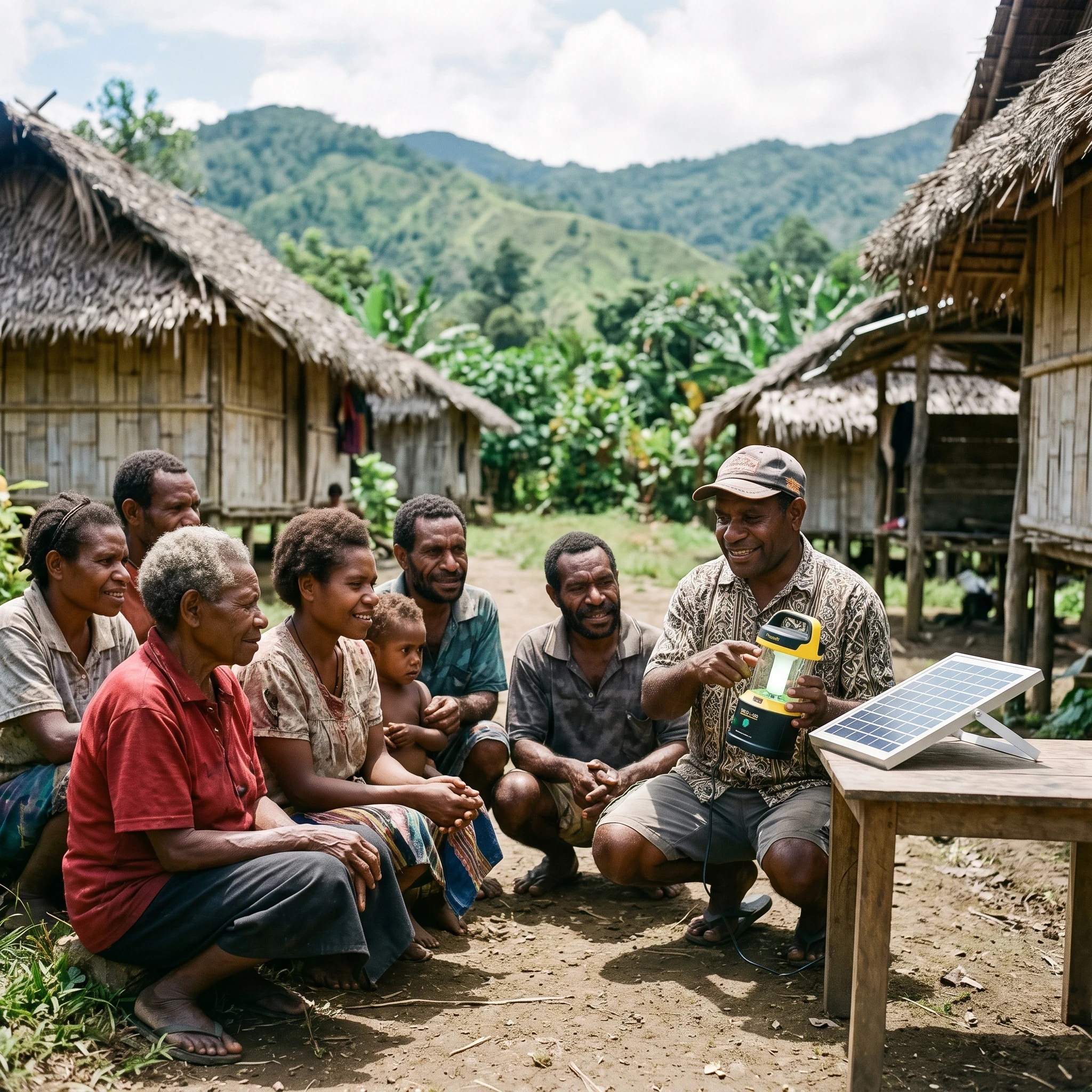
Wherever possible, provide training materials in Tok Pisin and other relevant local languages — not just English. PNG has over 800 languages, and understanding grows dramatically when people are taught in the language they think in, not just the language of the supplier’s manual.
9. Build Safeguarding, Inclusion, and Environmental Protections
A good program protects people, not just equipment.
- Make sure women and marginalised groups genuinely help shape decisions, not just receive the outcome
- Protect participant data — names, villages, and personal details should be handled carefully and never misused
- Set up a simple, accessible complaint channel so anyone can raise a concern without fear
- Avoid coercive sales practices — no one should feel pressured or shamed into buying or accepting a lantern
- Arrange responsible collection or recycling for batteries and lanterns at the end of their life, so the program doesn’t leave behind a new environmental problem
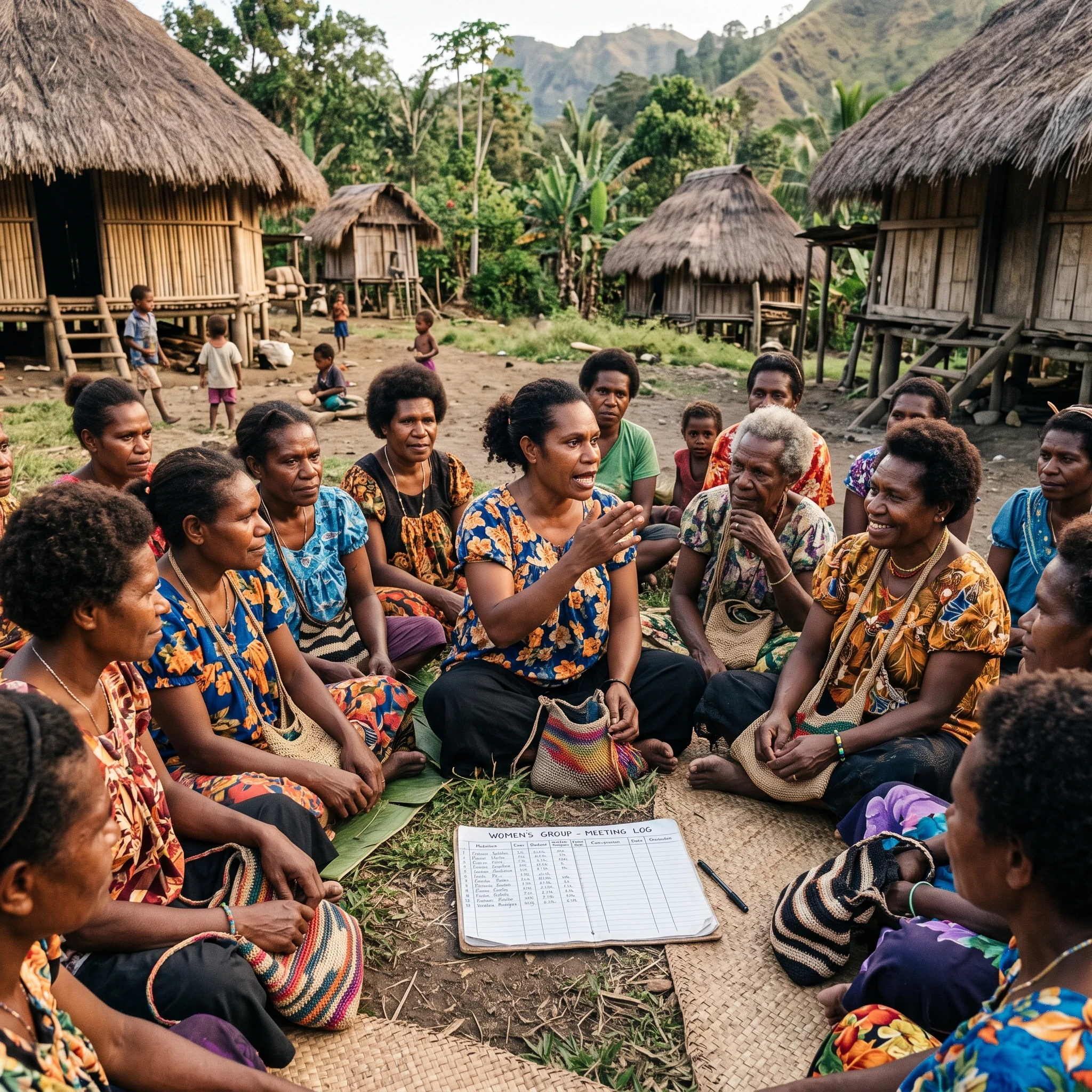
In PNG, trust is often harder to rebuild than it is to build in the first place. A program that protects people well earns the kind of trust that lasts for years.
10. Measure Results Honestly and Improve
Once lanterns are in people’s hands, the real work of learning begins. Track:
- How many lanterns were actually delivered
- How many are still working
- How often and how they’re actually being used
- How much money households are saving
- Real outcomes in study, health, and livelihoods
- How satisfied users genuinely feel
- Any unintended harms the program may have caused, even unexpected ones
Then share what you find with the community itself — not just with funders. And be willing to change the program based on honest, independent feedback, even when that feedback is uncomfortable to hear.
The goal is not simply to say lanterns were given out. The goal is to know, honestly, whether lives actually changed for the better — and to keep improving from there.
A Light That Reflects the Community Itself
A community-led solar lantern program is slower to build than simply shipping in boxes of lanterns and handing them out. It asks for patience, real listening, and a willingness to let the community shape every step.
But it is worth it. A lantern given without relationship is just a product. A lantern given through real partnership becomes something the whole community owns, protects, and builds on for years to come.
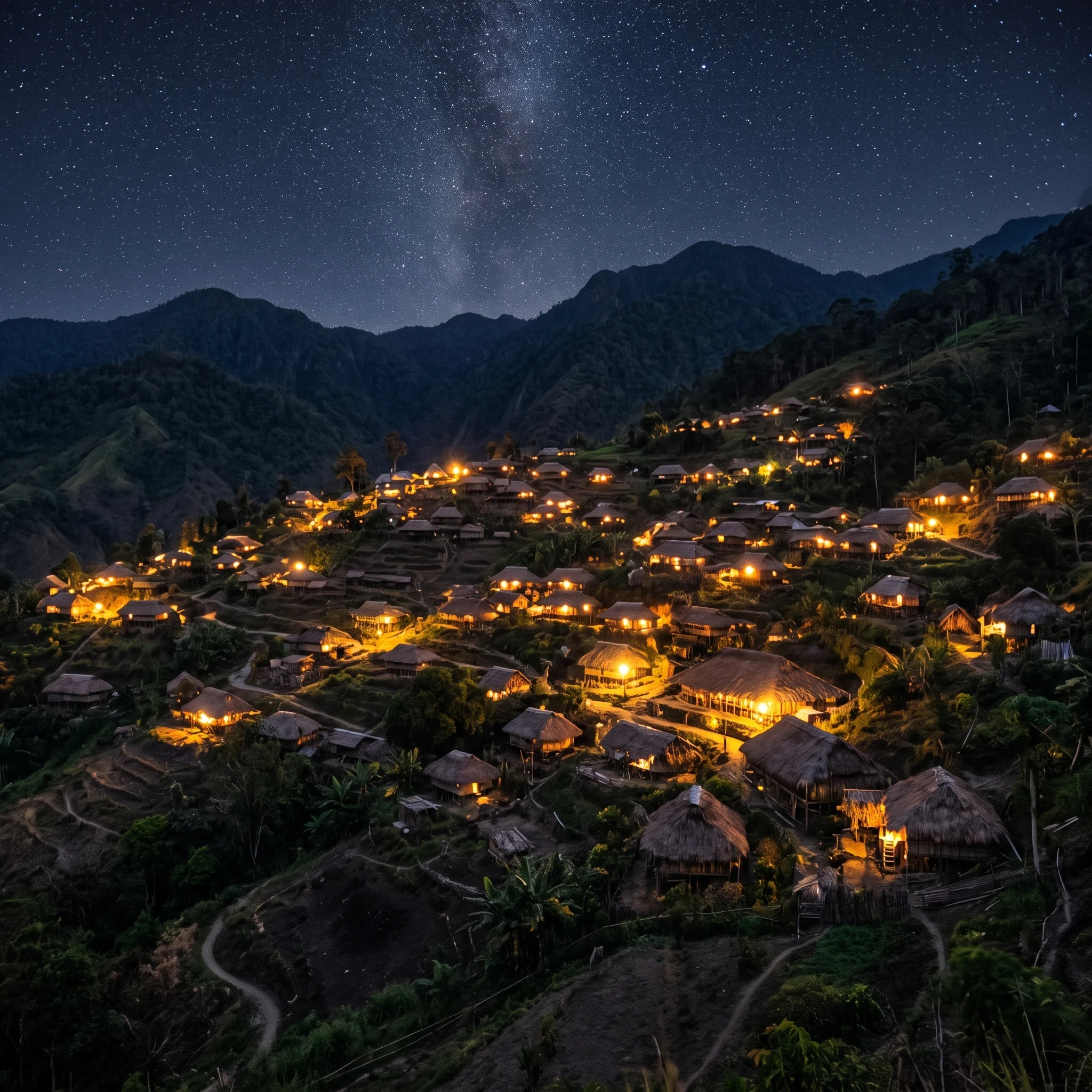
That is the kind of light Papua New Guinea deserves — not just brighter, but built to last, and built together.
Frequently Asked Questions
Q1: How much does it cost to start a solar lantern program?
Each lantern costs about $30–$50 USD. If you start with 100 lanterns, that’s about $3,000–$5,000 USD. You’ll also need a little extra for shipping, local transport, and training. Start small and grow the program over time.
Q2: What kind of solar lantern is best for Papua New Guinea?
Pick a lantern that is strong, holds a charge for a long time, and can handle heat and rain. If it can also charge a phone, that’s a big plus — phones matter a lot to families in PNG. Choose something simple. A lantern people can understand and fix themselves is better than one with fancy features nobody knows how to use.
Q3: Who should get the lanterns first?
Start with pastors and church workers who have no electricity, families in the most remote villages, and schools or clinics. Local pastors and community leaders usually know best who needs one most, and they can help you avoid giving two lanterns to the same family.
Q4: How do you stop lanterns from being sold or misused?
Keep it simple: write down each person’s name, village, and why they need the lantern. Ask trusted church or community leaders to recommend who should get one. Then check in later. This small amount of record-keeping builds trust without a lot of paperwork.
Q5: How long does a solar lantern last?
A good lantern usually lasts 2 to 4 years if it’s cared for well. That’s why teaching people how to charge and use it properly (Step 7) matters so much — a lantern that’s cared for lasts much longer than one that isn’t.
Q6: Can broken lanterns be fixed, or do they need to be replaced?
Most small problems — a loose wire, a dirty solar panel, a weak battery — can be fixed with a little training and basic tools. If you train even one or two local people to do simple repairs, the whole program lasts much longer and costs less over time.
Q7: How do you pay for a solar lantern program?
Most programs use a mix of these: everyday donors who give a set amount (like “$50 lights one family”), churches and mission partners who help spread the word, grants for renewable energy or development, and sponsors who fund one pastor, school, or village. Sharing real stories and photos usually brings in more support than just sharing numbers.
Q8: What’s the hardest part of running a program in Papua New Guinea?
Getting the lanterns to the villages. PNG has steep mountains and very few good roads, so travel is slow and hard. The best solution is to team up with local churches and mission groups who already know how to get around — instead of trying to build a new way from scratch.
Q9: How do you know if the program is working?
After you hand out the lanterns, check back. See how many lanterns still work, whether kids are studying more, whether churches are meeting more in the evenings, and what families say about it. Take photos, write short reports, and collect a few stories — this shows everyone, including you, that it’s making a real difference.
Q10: How can I help or get involved?
You can sponsor one or more lanterns, team up with a mission group already working in PNG, volunteer your time, or simply tell others about the need. Every lantern you fund goes to a real person — a family, a pastor, a village.
Q11: Do I need government permission to run a program like this?
It depends on your province and how big the program is. Small distributions done through a church or mission partner usually don’t need special permits, since they already have standing in the community. If you’re shipping in a large number of lanterns, check with your shipping partner about customs rules first — it’s much easier to sort out before the lanterns leave the supplier than after.
Q12: How long does it take to plan and run a first distribution?
For a first, modest program, plan for about two to four months from the decision to actually handing out lanterns. This covers ordering, shipping, choosing a village, and registering recipients. Give yourself extra time — shipping and travel in PNG often take longer than expected.
Q13: Can I include a lantern giveaway in a short-term mission trip?
Yes, and it works well. Order and ship the lanterns ahead of time, then use your time on the ground for the actual handout, training, and getting to know people. It fits naturally alongside other trip activities like visiting churches, first-aid training, or building projects — the giveaway itself only takes a day or two.
Q14: What happens if a lantern breaks after it’s given out?
This is why keeping a simple record matters. If you know who has each lantern and where they live, you can fix it or replace it on a future visit. Programs that skip this step often lose track of what’s broken and never find out.
Q15: Should lanterns be given for free, or should people pay a small amount?
Both approaches work, and it depends on the community. Giving lanterns for free removes any barrier for the poorest families, and it’s common for pastors supported by donors. Asking for a small payment can help people feel more ownership and take better care of the lantern — some programs add this step later, once things are running well.
Q16: How does a solar lantern compare to a full solar power system?
A lantern is small, cheap, and easy to hand out — no installation needed. A full solar home system or mini power grid gives more electricity and can run more things, but it costs much more per household and needs ongoing repairs. Most groups start with lanterns first, then think about bigger solar projects later, once the program has grown.
Q17: Can this same approach work outside of Papua New Guinea?
Yes. The basic steps — set a goal, find real need, choose good lanterns, keep records, train people, and follow up — work almost anywhere without electricity. What changes from place to place is how you ship and deliver the lanterns, since that depends on local roads, terrain, and community life.
Ready to Bring Light to Papua New Guinea?
If this stirred something in you, here’s where to start:
- Start planning your own solar lantern initiative today
- Partner with an established mission organization already working on the ground
- Sponsor a lantern for a family or a pastor
- Share this guide with someone who needs to see it
Together, we can bring light to Papua New Guinea — one home, one church, one community at a time.
Paul, M.