

How to Set Up a Solar Lantern Program in Papua New Guinea: A Step-by-Step Guide for Off-Grid Communities
A practical guide for missionaries, church leaders, and NGOs bringing light — and the Gospel — to Papua New Guinea’s rural highlands.
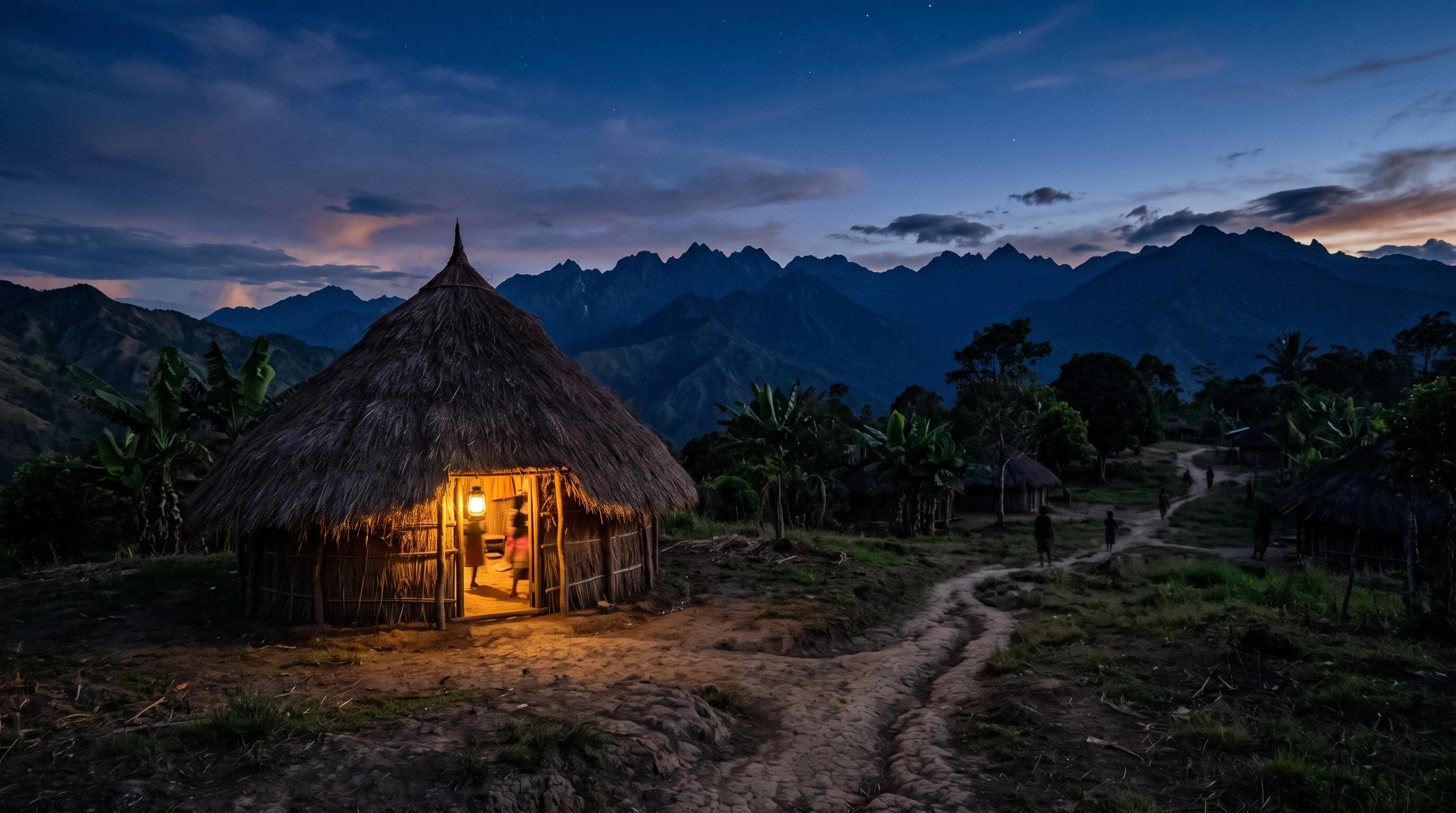
Bringing Light Where There Is Darkness
When the sun goes down in rural Papua New Guinea, life doesn’t just slow — for thousands of families, pastors, teachers, and students, it stops. Children close their schoolbooks because there’s nothing left to read by. Congregations end their evening the moment daylight does. Mothers cook over open flame in the dark, breathing in smoke they can’t see coming.
There’s a simple, affordable answer to a piece of that darkness: the solar lantern.
This guide walks through, step by step, how to set up a solar lantern program in Papua New Guinea — built specifically for the realities of remote, off-grid communities. Whether you’re a missionary, an NGO, a church leader, or a volunteer catching the vision for the first time, this is the roadmap.
What Is a Solar Lantern Distribution Network?
A solar lantern distribution network is simply the structured system behind getting solar-powered light into the hands of people who don’t have electricity. In practice, it means:
- Sourcing quality solar lanterns
- Transporting them into remote areas
- Identifying and registering recipients
- Training users on proper care and operation
- Monitoring the program over time
In PNG, that system has to bend around mountainous terrain, limited roads, and community structures built on relationship and trust rather than paperwork. Get those pieces right, and a small lantern becomes a lasting tool.
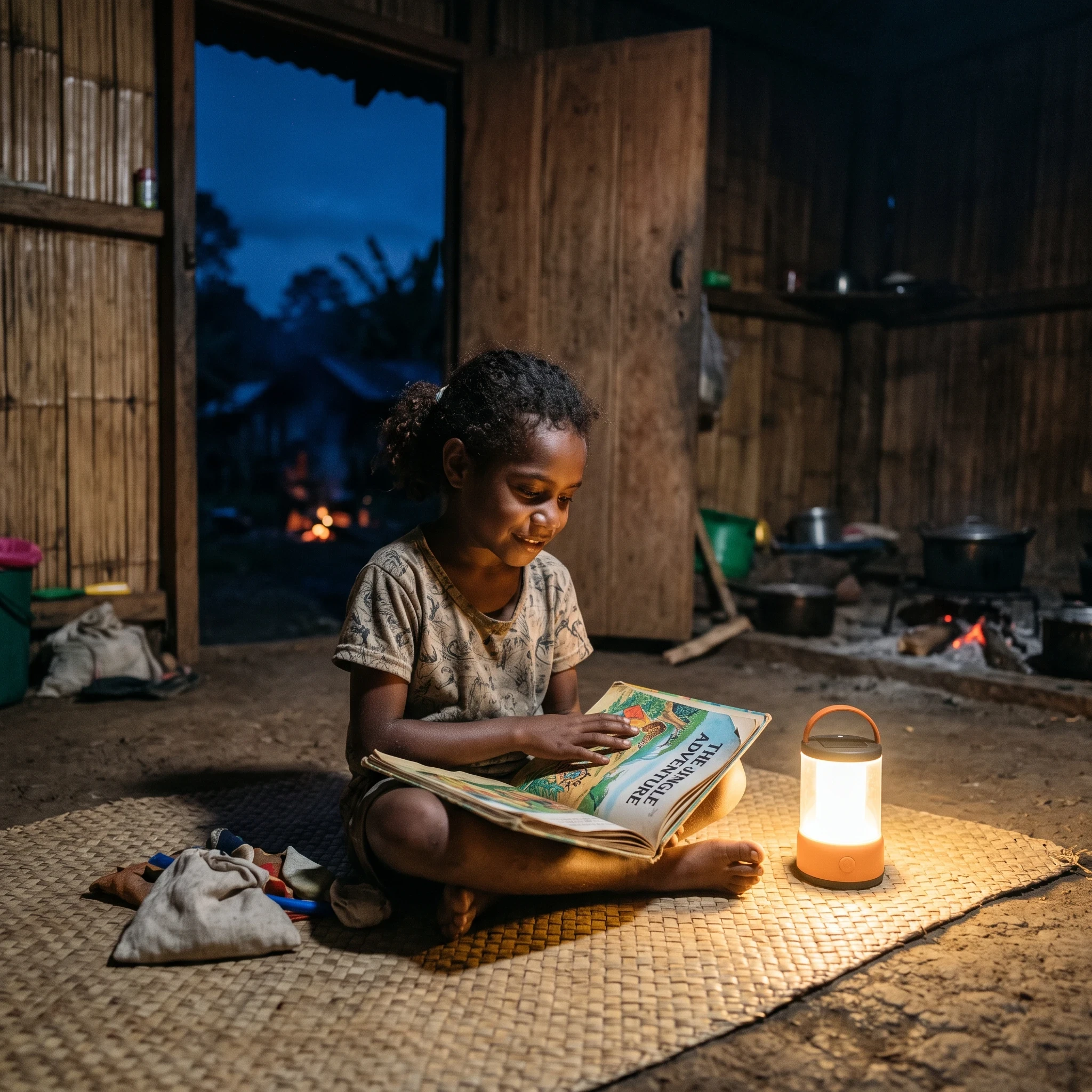
Why This Matters in Papua New Guinea
A solar lantern is never just a light. In an off-grid village, it’s a door that stays open after dark.
Education. Children can study after sunset instead of losing those hours entirely — a real, measurable boost to literacy and school performance.
Ministry. Pastors and believers can open Scripture, pray, and gather as a church community once the sun is down, not just while it’s up.
Health and safety. Families move away from kerosene lamps and open flame, cutting real risks of fire and smoke inhalation.
Economic opportunity. Small businesses and home industries can simply run longer.
Community life. Productive hours extend, and villages grow stronger for it.
“Imagine a child in a remote village reading for the first time at night. A pastor preparing his sermon after sunset. A mother cooking safely, without smoke in her lungs. That’s the quiet power of a single solar lantern.”
The Step-by-Step Guide
Step 1 — Define Your Mission and Goals
Start with clarity, not just enthusiasm. Before you buy a single lantern, answer:
- Who are you serving — pastors, families, schools?
- How many lanterns will you distribute?
- What’s the purpose driving this — education, ministry, safety, all three?
A clear goal sounds like: “Provide 100 solar lanterns to rural pastors and families in off-grid PNG communities.” Specific enough to plan around, simple enough to share with donors.
Step 2 — Identify Target Communities
Look for places where the need and the readiness both exist:
- No current electricity access
- Remote or genuinely hard to reach
- Strong, engaged community leadership already in place
- A clear anchor point — a church, a school, a health post
Do this alongside people who already know the ground: local pastors, community leaders, and mission partners. They’ll see needs and opportunities an outside team never could on its own.
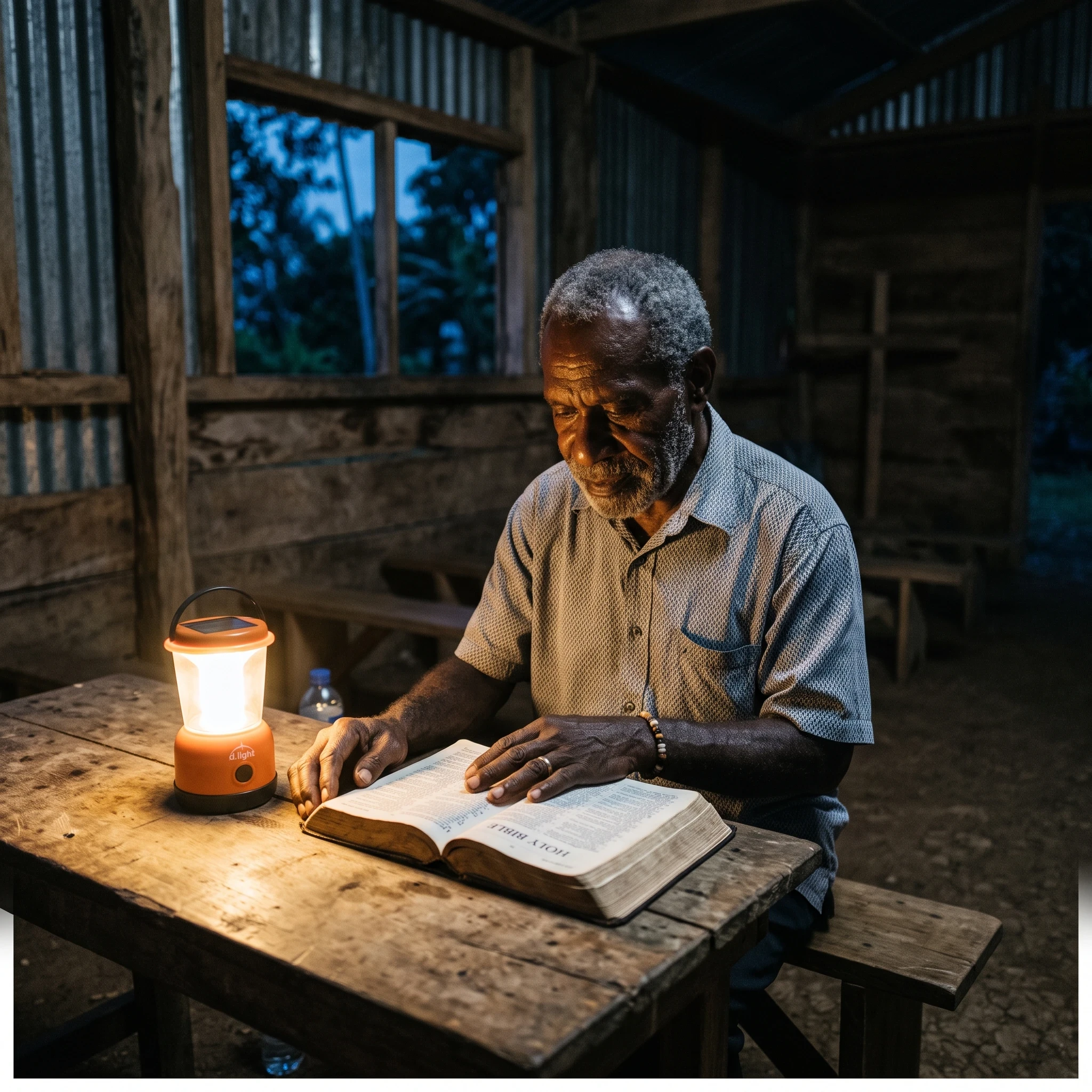
Step 3 — Source Quality Solar Lanterns
Not every lantern on the market can survive a highlands village. Look for lanterns that are:
- Durable enough for tropical climates
- Built with long battery life
- Capable of charging a phone — genuinely valuable in PNG
- Simple to use and easy to repair
Budget benchmark: expect an average cost of $25–$35 USD per lantern.
Step 4 — Build a Simple Supply Chain
Keep the chain short and realistic:
- Supplier → bulk purchase
- Shipping → international or local transport
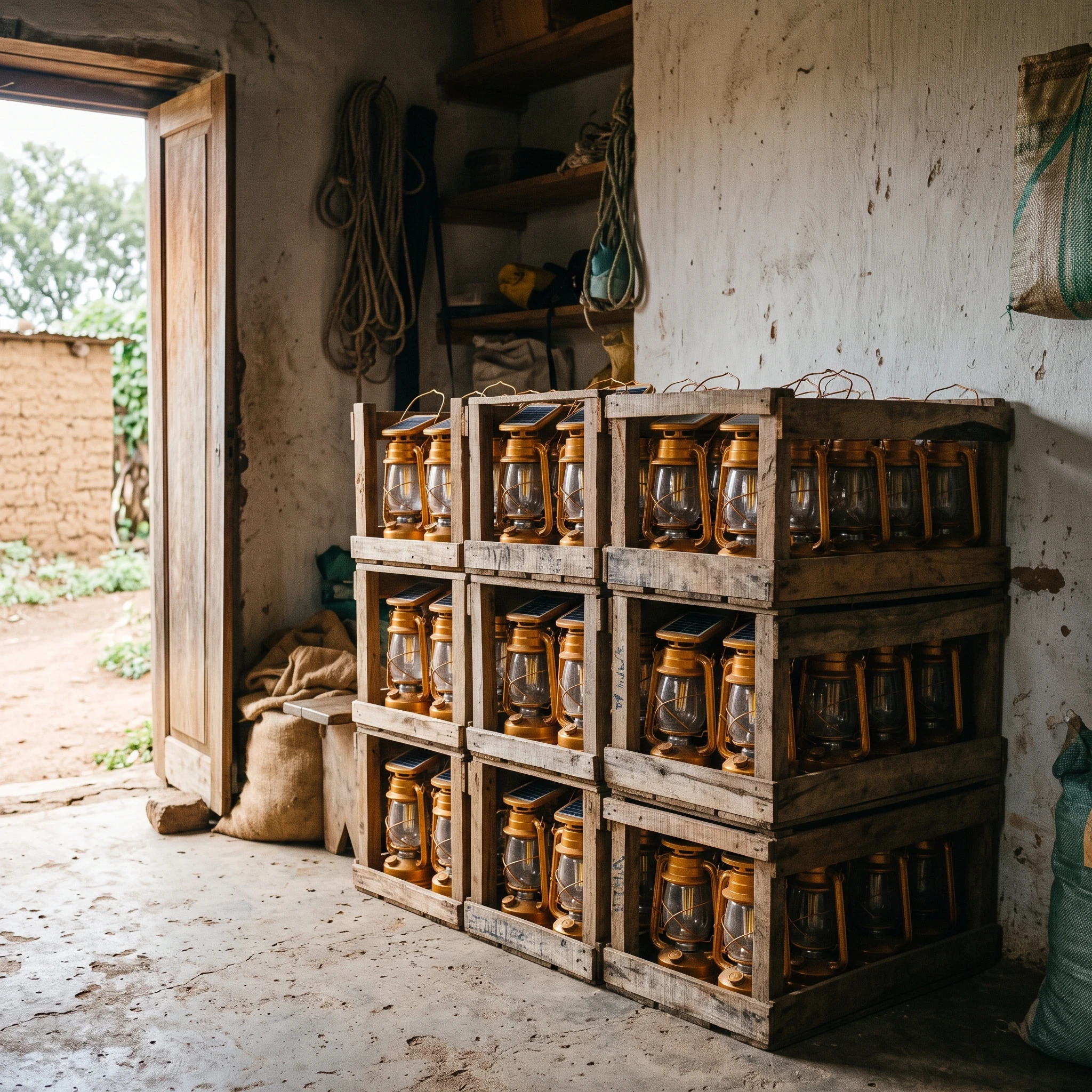
- Storage → a temporary holding location
- Distribution → final delivery to villages
The honest challenges here are poor road access, unpredictable weather, and high transport costs. The workaround that consistently works: partner with local churches and mission networks, and lean on trusted local coordinators who already know how to move people and goods through the terrain.
Step 5 — Create a Recipient Registration System
Before a single lantern goes out, register who’s receiving it. Collect:
- Name
- Village
- Contact information, where available
- Purpose — family use, pastoral ministry, or school
This isn’t bureaucracy for its own sake. It’s what lets you track real impact, prevent misuse, and give your donors honest, specific transparency about where their giving went.
Step 6 — Plan Your Distribution Strategy
Resist the temptation to hand out lanterns randomly. Structure it instead:
- Church-based distribution
- Community gatherings
- School-based programs
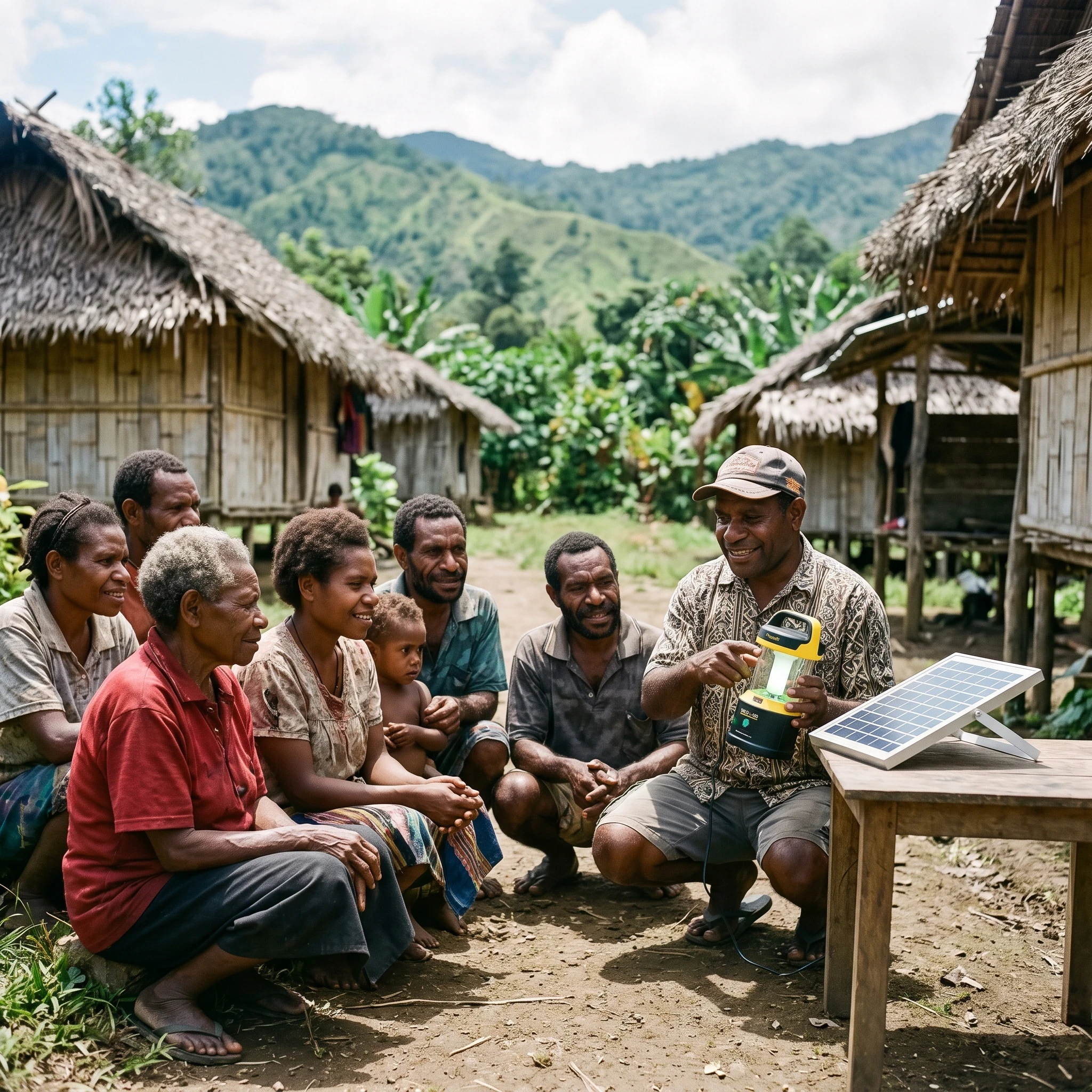
And when the moment comes, don’t just hand it over — explain how it works, demonstrate charging and use, and set the expectation of care and responsibility from day one.
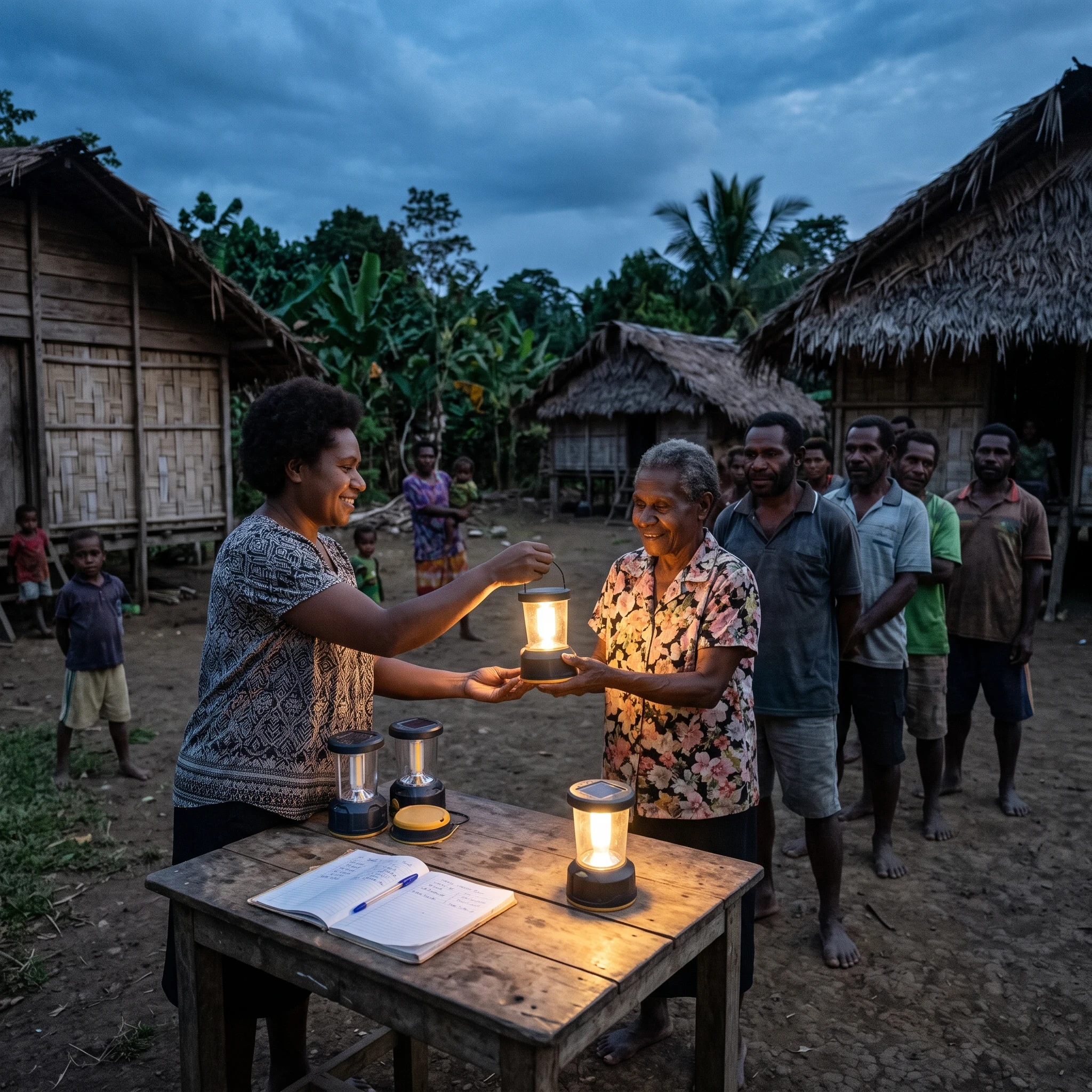
Step 7 — Train the Community
A lantern that breaks in month two helps no one. Training is what makes the investment last. Cover:
- Proper charging habits
- Battery care
- Safe day-to-day usage
- Basic troubleshooting
Simple, hands-on training up front means a longer product life and a better experience for the family using it.
Step 8 — Engage the Community
The strongest programs aren’t just about giving — they’re about ownership. Encourage:
- Local ownership of the program’s success
- Community leaders overseeing usage
- Churches weaving the lanterns naturally into ministry life
Consider appointing local coordinators, and let families share and support one another as the lanterns settle into daily use.
Step 9 — Monitor and Evaluate Impact
After distribution, don’t walk away — follow up. Track:
- How many lanterns are still functioning
- The visible effect on students’ study habits
- Church attendance and evening ministry activity
- Direct feedback from the community
Ask simple, honest questions: Are children studying more? Are families using it every day? Has it made things safer at home?
Step 10 — Plan for Sustainability
A one-time distribution is a gift. A sustained program is a mission. Build in:
- Scheduled follow-up visits
- A plan to repair or replace faulty units
- Local technicians trained where possible
- A small-contribution model to fund future expansion
How to Fund a Solar Lantern Program in PNG
Funding is often the hardest step — and also the one with the most room for creativity.
Individual donors. A simple, honest ask goes far: “$30 can provide light to one family.”
Churches and mission partners. Share the vision directly, backed by real testimonies.
Grants and NGOs. Look into renewable energy and development-focused grant programs.
Online fundraising. Your website, social media, and email list are all avenues worth building out.
Sponsorship models. Let people sponsor a pastor, a school, or an entire village — a concrete, personal way to give.
Common Challenges and Practical Solutions
ChallengeSolutionDifficult transportPartner with local mission networks who already move through the terrainLack of maintenanceProvide simple, hands-on training at the point of distributionLimited fundingLead with storytelling and real donor engagement, not just numbersCultural barriersWork through trusted, respected community leaders
Expert Tips for a Program That Lasts
- Start small, then scale deliberately
- Choose quality over quantity every time
- Invest in strong local partnerships before anything else
- Document everything — photos, reports, testimonies
- Let real stories carry the vision to your supporters
A Simple Light, A Powerful Mission
Setting up a solar lantern program in Papua New Guinea isn’t just a logistics project — it’s a mission with a very specific shape: careful planning, strong local partnership, and a heart to serve.
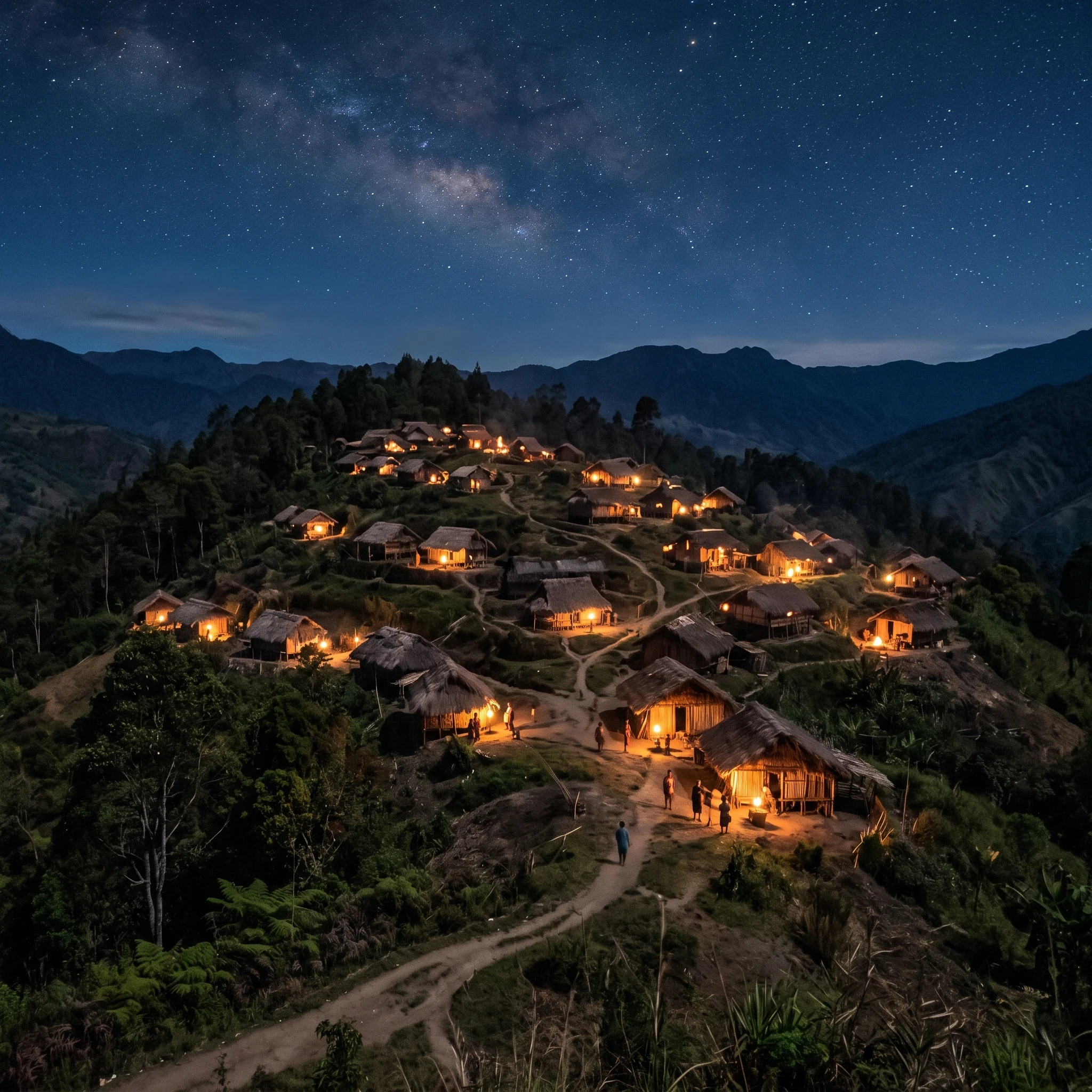
One lantern can look small sitting in your hand. But in a village that has never had electricity, it changes everything it touches — the child who can finally finish her homework, the pastor who can finally prepare after dark, the family that can finally cook without fear of fire or smoke.
Frequently Asked Questions
How much does it cost to start a solar lantern program?
Each lantern costs about $30–$50 USD. If you start with 100 lanterns, that’s about $3,000–$5,000 USD. You’ll also need a little extra for shipping, local transport, and training. Start small and grow the program over time.
What kind of solar lantern is best for Papua New Guinea?
Pick a lantern that is strong, holds a charge for a long time, and can handle heat and rain. If it can also charge a phone, that’s a big plus — phones matter a lot to families in PNG. Choose something simple. A lantern people can understand and fix themselves is better than one with fancy features nobody knows how to use.
Who should get the lanterns first?
Start with pastors and church workers who have no electricity, families in the most remote villages, and schools or clinics. Local pastors and community leaders usually know best who needs one most, and they can help you avoid giving two lanterns to the same family.
How do you stop lanterns from being sold or misused?
Keep it simple: write down each person’s name, village, and why they need the lantern. Ask trusted church or community leaders to recommend who should get one. Then check in later. This small amount of record-keeping builds trust without a lot of paperwork.
How long does a solar lantern last?
A good lantern usually lasts 2 to 4 years if it’s cared for well. That’s why teaching people how to charge and use it properly (Step 7) matters so much — a lantern that’s cared for lasts much longer than one that isn’t.
Can broken lanterns be fixed, or do they need to be replaced?
Most small problems — a loose wire, a dirty solar panel, a weak battery — can be fixed with a little training and basic tools. If you train even one or two local people to do simple repairs, the whole program lasts much longer and costs less over time.
How do you pay for a solar lantern program?
Most programs use a mix of these: everyday donors who give a set amount (like “$50 lights one family”), churches and mission partners who help spread the word, grants for renewable energy or development, and sponsors who fund one pastor, school, or village. Sharing real stories and photos usually brings in more support than just sharing numbers.
What’s the hardest part of running a program in Papua New Guinea?
Getting the lanterns to the villages. PNG has steep mountains and very few good roads, so travel is slow and hard. The best solution is to team up with local churches and mission groups who already know how to get around — instead of trying to build a new way from scratch.
How do you know if the program is working?
After you hand out the lanterns, check back. See how many lanterns still work, whether kids are studying more, whether churches are meeting more in the evenings, and what families say about it. Take photos, write short reports, and collect a few stories — this shows everyone, including you, that it’s making a real difference.
How can I help or get involved?
You can sponsor one or more lanterns, team up with a mission group already working in PNG, volunteer your time, or simply tell others about the need. Every lantern you fund goes to a real person — a family, a pastor, a village.
Do I need government permission to run a program like this?
It depends on your province and how big the program is. Small distributions done through a church or mission partner usually don’t need special permits, since they already have standing in the community. If you’re shipping in a large number of lanterns, check with your shipping partner about customs rules first — it’s much easier to sort out before the lanterns leave the supplier than after.
How long does it take to plan and run a first distribution?
For a first, modest program, plan for about two to four months from the decision to actually handing out lanterns. This covers ordering, shipping, choosing a village, and registering recipients. Give yourself extra time — shipping and travel in PNG often take longer than expected.
Can I include a lantern giveaway in a short-term mission trip?
Yes, and it works well. Order and ship the lanterns ahead of time, then use your time on the ground for the actual handout, training, and getting to know people. It fits naturally alongside other trip activities like visiting churches, first-aid training, or building projects — the giveaway itself only takes a day or two.
What happens if a lantern breaks after it’s given out?
This is why keeping a simple record matters. If you know who has each lantern and where they live, you can fix it or replace it on a future visit. Programs that skip this step often lose track of what’s broken and never find out.
Should lanterns be given for free, or should people pay a small amount?
Both approaches work, and it depends on the community. Giving lanterns for free removes any barrier for the poorest families, and it’s common for pastors supported by donors. Asking for a small payment can help people feel more ownership and take better care of the lantern — some programs add this step later, once things are running well.
How does a solar lantern compare to a full solar power system?
A lantern is small, cheap, and easy to hand out — no installation needed. A full solar home system or mini power grid gives more electricity and can run more things, but it costs much more per household and needs ongoing repairs. Most groups start with lanterns first, then think about bigger solar projects later, once the program has grown.
Can this same approach work outside of Papua New Guinea?
Yes. The basic steps — set a goal, find real need, choose good lanterns, keep records, train people, and follow up — work almost anywhere without electricity. What changes from place to place is how you ship and deliver the lanterns, since that depends on local roads, terrain, and community life.
Ready to Bring Light to Papua New Guinea?
If this stirred something in you, here’s where to start:
- Start planning your own solar lantern initiative today
- Partner with an established mission organization already working on the ground
- Sponsor a lantern for a family or a pastor
- Share this guide with someone who needs to see it
Together, we can bring light to Papua New Guinea — one home, one church, one community at a time.
Paul, M.